
When the COVID-19 pandemic hit, it changed everything—how we work, how we live, and especially how we talk about health. Communication became just as important as medicine. The virus spread fast, but so did confusion. Every headline, tweet, and press briefing mattered. Some messages saved lives. Others made things worse.
The world learned a hard truth: information can be as contagious as disease.
The Communication Crisis
When COVID-19 began spreading in early 2020, governments and health agencies rushed to share updates. But the information kept changing. First masks weren’t needed, then they were. Vaccines came quickly, but skepticism came faster.
A survey by the Pew Research Center found that 64% of Americans said they felt confused by conflicting information during the pandemic. Many people stopped trusting official sources and started relying on friends or social media instead. That’s when misinformation took over.
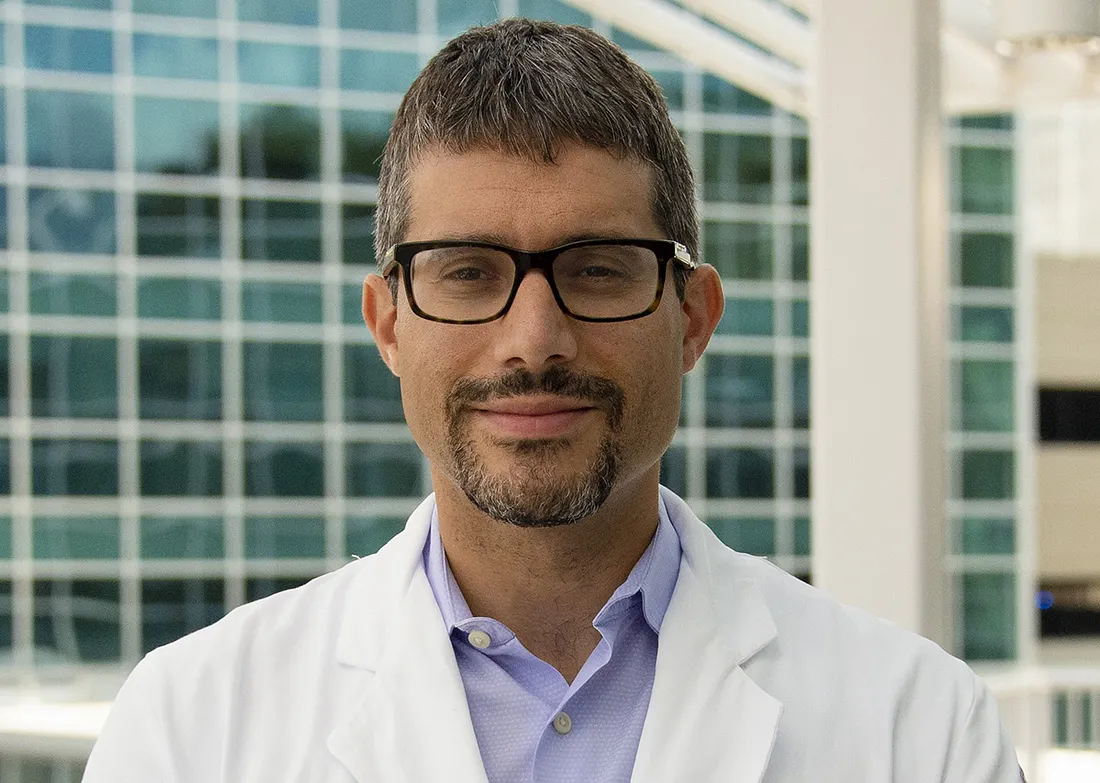
Dr. David Banach Woodbridge CT, an infectious disease specialist who advised state officials during the pandemic, explained it this way: “The virus moved fast, but misinformation moved faster. The challenge wasn’t just fighting disease—it was fighting confusion.”
Why Trust Matters
Trust became the most valuable resource in public health. When people believed their local doctors or community leaders, they followed guidance. When they didn’t, infection rates rose.
The World Health Organization called it an “infodemic”—a flood of mixed messages that made it hard to tell fact from fiction. The more people argued online, the harder it became to get everyone on the same page.
Trust didn’t just disappear overnight. It eroded slowly through inconsistent messages, overcomplicated data, and political noise. People wanted clear answers. They got charts, models, and changing rules instead.
Dr. Banach recalled one moment early in the crisis when he joined a local radio Q&A. “The first caller didn’t ask about the virus,” he said. “They asked, ‘Who can I believe?’ That’s when I realized this wasn’t just a medical problem—it was a communication problem.”
The Power of Clear Language
One of the biggest lessons from COVID-19 is that simple language works best. Technical terms like “R0,” “herd immunity,” and “vaccine efficacy” confused many people. They needed plain talk, not jargon.
When local health departments started using everyday language—like saying “wear a mask to protect your grandma” instead of “reduce community transmission”—compliance improved. A 2021 CDC study found that messages with relatable examples boosted understanding by 40% compared to those using only medical terms.
It turns out that clarity saves lives.
The Role of Local Messengers
National health leaders played a big role during the pandemic, but the most trusted voices often came from close to home. Local doctors, school nurses, pastors, and community organizers became the bridge between science and everyday life.
According to the Kaiser Family Foundation, nearly 7 in 10 Americans trusted their local health officials more than national agencies. That’s a huge shift in where people looked for truth.
Dr. Banach described this shift: “In one Connecticut town, the mayor and a local physician hosted town halls on Facebook Live. People tuned in regularly. It wasn’t about fancy data—it was about faces they recognized from their own communities.”
These smaller, consistent efforts built the kind of trust that large institutions often struggle to maintain.
Admitting What We Don’t Know
One surprising discovery during the pandemic: honesty about uncertainty builds confidence. Early on, many officials tried to project certainty, even when data was incomplete. It backfired.
Admitting that something isn’t yet known makes experts seem more credible, not less. People can handle uncertainty if it’s explained clearly. What they can’t handle is feeling misled.
As Dr. Banach puts it, “It’s okay to say ‘we don’t know yet.’ People respect transparency. It makes them more likely to listen next time.”
Misinformation Is a Public Health Risk
Misinformation became a second pandemic. False cures, conspiracy theories, and fake studies spread across social media faster than any virus could. A 2020 MIT study found that false news stories were 70% more likely to be shared than true ones.
That misinformation had real consequences. It fueled vaccine hesitancy, discouraged mask use, and made public health officials targets of anger and threats.
Fighting misinformation isn’t about censorship—it’s about better storytelling. When real experts communicate in ways that are engaging and human, myths lose their power.
Some health organizations got creative. They used humor, memes, and short videos to share science in ways that felt friendly, not formal. One local nurse in New York went viral after explaining vaccines using cooking metaphors. Her video reached more people than her hospital’s entire PR campaign.
Lessons for the Next Crisis
So, what should we carry forward? The next public health emergency will come eventually. The playbook has to be stronger.
Here’s what we learned that works:
- Keep it short. Messages should fit in a single sentence. “Masks protect everyone” is easier to remember than a paragraph of stats.
- Use trusted messengers. Local voices build local trust. Partner with teachers, faith leaders, and small business owners.
- Repeat key points often. Repetition reinforces memory. People need to hear the same message multiple times before it sticks.
- Show your sources. Link facts to credible studies. Transparency creates confidence.
- Admit mistakes quickly. Correcting misinformation fast builds long-term trust.
- Humanize the science. People connect to people, not graphs. Share patient stories and real-life examples.
Public health communication should feel like a conversation, not a lecture. The goal isn’t just to inform—it’s to connect.
The Role of Technology and Media
Social media, podcasts, and streaming platforms turned into modern-day megaphones for public health messages. Some were used wisely, others not so much.
Instead of treating platforms as the enemy, future health campaigns can use them to spread reliable information faster. Short clips, Q&As, and community discussions help break through the noise.
Dr. Banach shared how his team reached younger audiences: “We partnered with our social media team to make quick posts explaining how infection was spreading and how testing worked. It spread faster than our press releases ever could.”
This shows that collaboration between experts and content creators can be powerful when done right.
Building Communication Muscles Before the Next Crisis
The time to improve public health communication is now—not when the next emergency starts. Hospitals, schools, and local agencies should practice clear messaging just like they practice fire drills.
Training programs for health professionals should include communication skills. They need to know how to explain complex science in ways anyone can understand.
As Dr. Banach said in one interview, “You can’t wait for a pandemic to learn how to talk to the public. It has to be part of the job every day.”
The Big Takeaway
COVID-19 taught us that communication is not an afterthought—it’s a lifesaving tool. Science alone can’t stop a pandemic if people don’t understand or believe it.
The future of public health depends on how well we share truth, not just how fast we find it.
If the past few years taught us anything, it’s this: people don’t just need data—they need connection. They want honesty, clarity, and a human voice they can trust.
That’s how we build stronger, safer communities—one clear message at a time.

Leave a Reply